Understanding Motion Control in Animation
In the world of digital content creation, motion control has emerged as a pivotal technology that empowers creators to animate with unprecedented precision and ease. This transformative field harnesses artificial intelligence to streamline the motion animation process, making it accessible to professionals and amateurs alike. The integration of AI into motion control not only speeds up production times but also enhances the quality of animations, allowing for a more natural and fluid representation of movement. This article delves into the intricacies of motion control technology, focusing on Kling 2.6, a cutting-edge platform designed to elevate animation workflows through innovative methods and features.
What is Motion Control?
Motion control refers to the technology used to automate the movement of objects in a coordinated and precise manner, commonly seen in animation, robotics, and cinematography. In animation, motion control allows creators to program complex movements that can be replicated and adjusted without the need for manual keyframing. This provides a level of flexibility and efficiency that was previously unattainable, particularly in high-quality productions. The core of motion control lies in its ability to analyze and replicate movement, significantly reducing the time and resources required for traditional animation methods.
Key Features of Motion Control Technology
- Precise Movement Replication: Motion control technology captures and replicates movements with accuracy, ensuring that animations appear natural and engaging.
- Real-Time Adjustments: Creators can make real-time adjustments to animations, allowing for immediate feedback and iterative design processes.
- Integration with AI: AI algorithms enhance motion control by predicting movements, thus streamlining workflows and increasing output quality.
- Support for Various Formats: It accommodates different styles of animation, including 2D, 3D, and character animation, making it versatile for various applications.
Benefits of AI-Driven Motion Control
Utilizing AI in motion control presents numerous advantages that cater to the evolving demands of digital content creation. First and foremost, the reduction in manual labor leads to significantly shortened production timeframes. Creators can produce high-quality animations without the tedious task of keyframing every movement, allowing them to focus more on creative aspects. Furthermore, AI-driven motion control systems can analyze motion data from videos, generating fluid animations that closely mimic real-life movements. This results in a more convincing visual experience, critical for engaging audiences across various platforms.
Getting Started with Kling 2.6 Motion Control
As a tailored solution for motion control, Kling 2.6 stands out due to its intuitive interface and powerful backend algorithms. Getting started with Kling 2.6 requires understanding the necessary inputs and how to navigate its features effectively. Below, we outline essential steps to maximize the potential of this innovative platform.
Essential Inputs for Effective Motion Animation
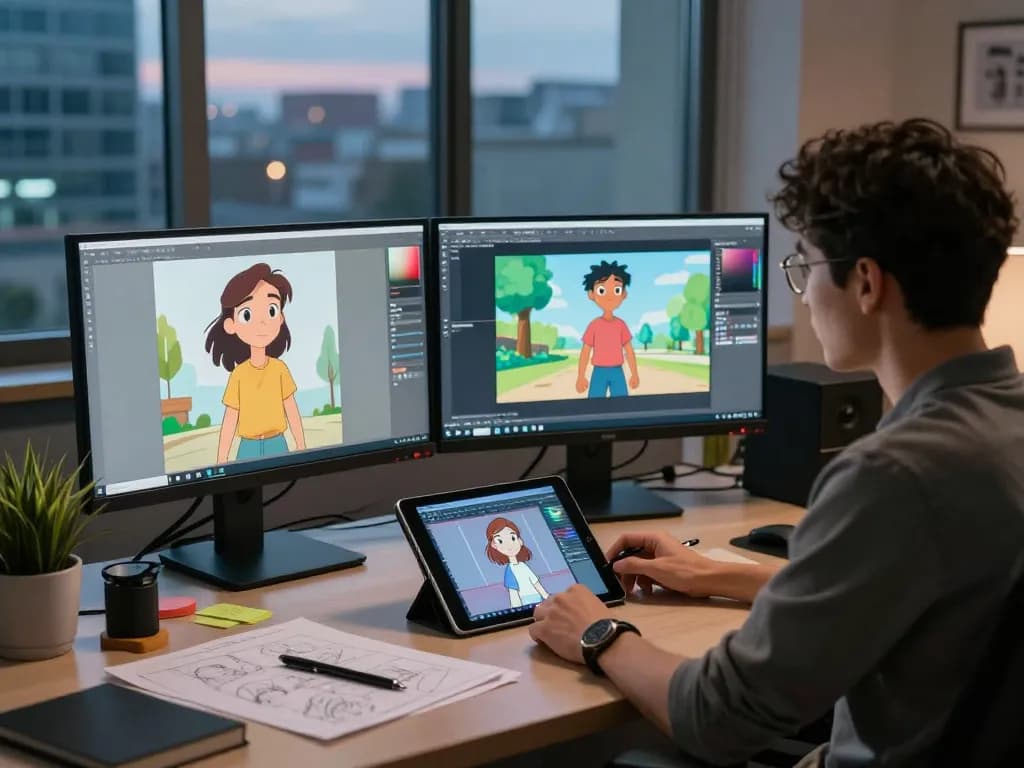
To effectively use Kling 2.6 Motion Control, you need two primary inputs: a still image of the character or subject you want to animate and a video reference that showcases the desired motion. The combination of these two elements is crucial; the video serves as a blueprint from which the AI derives motion data, while the still image becomes the canvas for animation. Ensure that the proportions of your character align with the reference video's perspective to enhance the quality of the output.
Choosing the Right Orientation Mode
Kling 2.6 offers two orientation modes: Match Video Orientation and Match Image Orientation. The choice between these modes significantly affects how your animation will flow. The Match Video Orientation retains the motion and camera movements from the reference video, ideal for creating dynamic scenes. In contrast, the Match Image Orientation preserves the original composition of the image, which may be more suitable for static representations or specific artistic requirements. Understanding these modes will help you align the animation output with your creative vision.
Step-by-Step Guide to Using Kling 2.6
- Begin by logging into your Kling AI dashboard and selecting the Motion Control feature.
- Upload your chosen still image and the reference motion video.
- Select your preferred orientation mode based on your desired outcome.
- Customize the animation settings, including speed and intensity, to suit your vision.
- Preview the animation to ensure it meets your expectations before finalizing.
- Generate the animation, reviewing the output to make any necessary adjustments.
Advanced Techniques for Motion Control Applications
Once comfortable with the basics of Kling 2.6, animators can explore more advanced techniques to refine their projects. These enhancements can significantly improve the outcome of motion animations and allow for a greater degree of personalization in the final product.
Optimizing Input Files for Better Output
Maintaining high quality in your input files is essential for achieving superior animation results. This means using a clear, high-resolution image for your character and a motion reference video that captures the action without obstructions. Ensuring that the character's pose aligns with the motion represented in the video is critical to avoiding distortions in animation.
Customizing Animation Settings for Unique Outcomes
Kling 2.6 allows for a range of customization options that can tailor the animation to specific needs. Adjusting parameters such as timing, speed, and intensity can lend a distinctive character to your animations. Experiment with these settings to find the perfect balance that aligns with the mood and style of your project, enhancing viewer engagement.
Integrating Audio for Enhanced Experience
The sound design can elevate an animation from merely visual to an immersive experience. Kling 2.6 enables users to integrate audio tracks seamlessly, allowing for the synchronization of sound effects or music with animated movements. Whether you're creating a dramatic scene or a lighthearted clip, thoughtful audio integration can significantly enhance the storytelling aspect of your animation.
Common Challenges and Solutions in Motion Control
While motion control technology has made animation more accessible, several challenges persist. Understanding these potential pitfalls can help creators optimize their use of Kling 2.6 and improve the overall quality of their projects.
Addressing Distortion Issues in Animation
A common issue users may encounter is distortion in character limbs or unnatural movements. This often occurs due to occlusion in the reference video, where elements of the scene obstruct the view of the moving parts. To mitigate this, it is advisable to use clear reference videos that showcase the character's motion without any obstructions. Additionally, ensuring that the character in the still image is in a pose that closely resembles the initial frame of the motion reference can enhance the fluidity of the animation.
Handling Complex Motion Scenarios
Complex movements, such as dance routines or multi-character interactions, can challenge motion control systems. In these cases, it may be beneficial to break down the motion into simpler segments that can be handled more efficiently. By generating animations for each segment individually and then combining them into a cohesive sequence, users can create detailed and intricate animations without overwhelming the software.
Real-World Examples of Successful Motion Control Usage
Numerous creators have leveraged Kling 2.6 to produce impressive animations across various platforms. For instance, social media marketing campaigns have utilized motion control to animate products engagingly, while independent filmmakers have used it to bring their characters to life in ways that were previously impractical without extensive animation resources. The versatility of motion control technology allows it to adapt to diverse creative needs, showcasing its potential across industries.
Future Trends in Motion Control Technology
The landscape of motion control technology is continuously evolving, with advancements in AI and machine learning poised to revolutionize how animations are created. Upcoming trends hint at even greater levels of automation and interactivity, allowing users to animate with less manual input and more real-time feedback.
Emerging Developments in AI Animation
As AI continues to advance, we can expect more sophisticated motion tracking and data analysis capabilities. Future iterations of motion control technologies may incorporate deep learning algorithms to predict and create movements based on user intent, streamlining the animation process further. This evolution will be pivotal for professionals seeking to keep up with the fast-paced demands of digital content creation.
Potential Applications Beyond Traditional Animation
The applications of motion control are not limited to traditional animation. Industries such as gaming, virtual reality, and live performance can benefit significantly from advanced motion control systems. By allowing for real-time character manipulation and interaction, motion control technologies will play a crucial role in the development of immersive experiences across various mediums.
Expert Insights on the Future of Motion Control
Industry experts predict that as motion control systems become more integrated with other technologies, such as augmented reality and virtual reality, the potential for creative expression will grow exponentially. The focus will shift towards providing users with tools that enhance creativity and enable interactions that feel more organic and intuitive.
What are the key features of motion control technology?
Key features include precise movement replication, real-time adjustments, integration with AI, and support for various animation formats, allowing for diverse applications in digital content creation.
How can I improve the quality of my animation using motion control?
Improving animation quality can be achieved through optimizing input files, customizing animation settings, and ensuring a clear alignment between the motion reference and the still image used.
Is motion control suitable for projects other than animation?
Yes, motion control technology is applicable across various fields, including gaming, virtual reality, and live performances, making it a versatile tool for digital creators.
What challenges might I face when using motion control?
Common challenges include distortion issues, complex motion scenarios, and the need for clean motion reference videos. Being aware of these issues can help users improve their animation quality.
How has motion control evolved in recent years?
Motion control has evolved significantly with the integration of AI, leading to more efficient workflows, enhanced animation quality, and broader applications across diverse creative fields.